


-
4 min read
LVP Over Original Hardwood in Older Main Line Homes Smart Layer or Resale Risk?
This article helps homeowners decide whether installing LVP over original hardwood is practical or risky.
This article helps homeowners decide whether installing LVP over original hardwood is practical or risky.
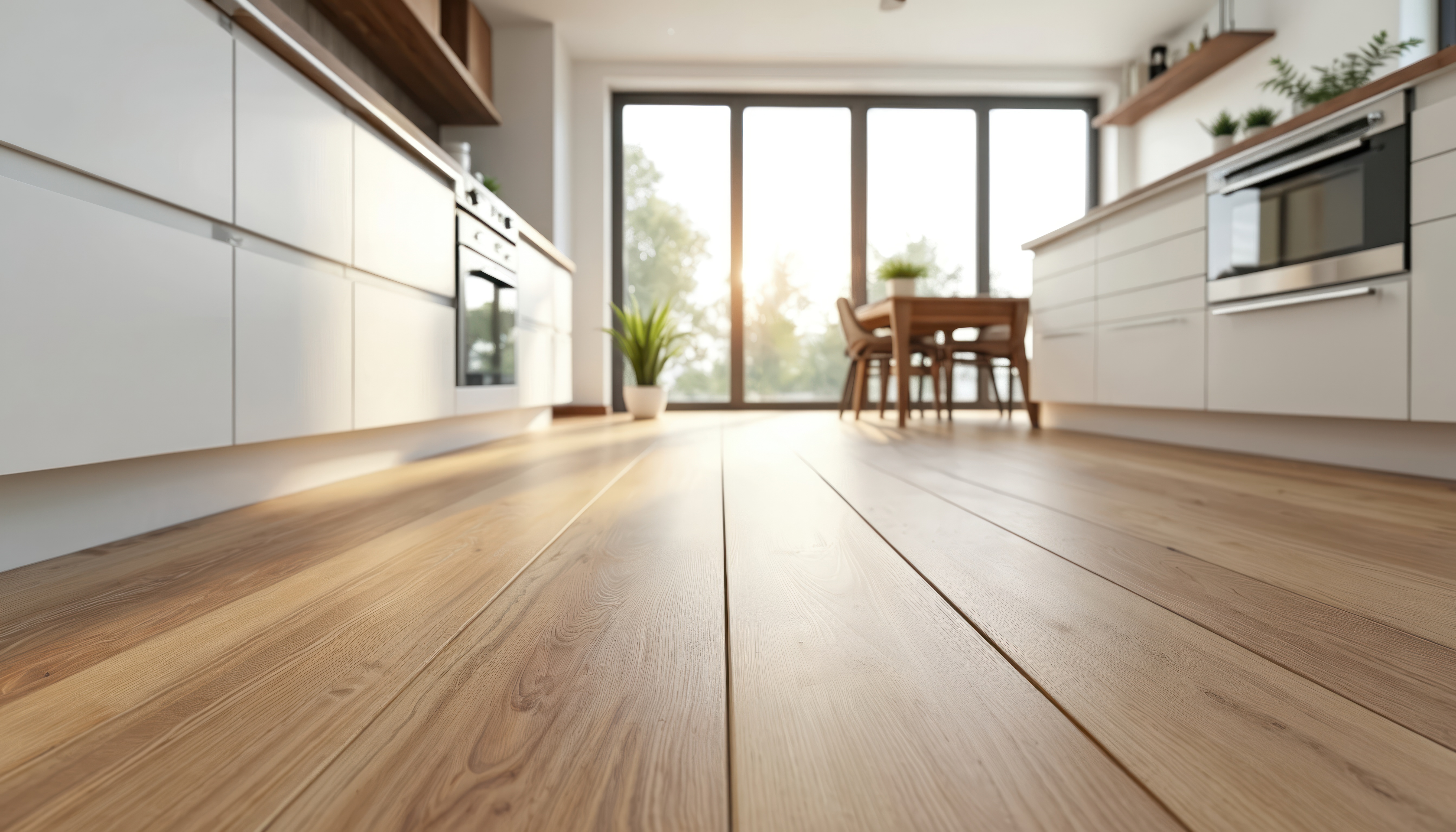
This article helps homeowners understand whether existing hardwood still has enough material for another full refinish.

This article explains why warm wood is gaining ground again and how undertone, sheen, and light temperature affect the final result in real homes.

This article explains why perfect matches are rare, how pros reduce the patchwork look, and when refinishing the old and new together is the best move.

Water-based and oil-based polyurethane do not simply look different. They change project timing, odor levels, ambering, cure schedules, and long-term maintenance behavior.

Hardwood floors in kitchens can work beautifully, but only when homeowners understand what actually damages wood: standing moisture, repeated wet cleaning, and finish failure at the board edges.

This article explains how kitchens stress LVP and what actually fails first: seams, topcoats, and scratch resistance.
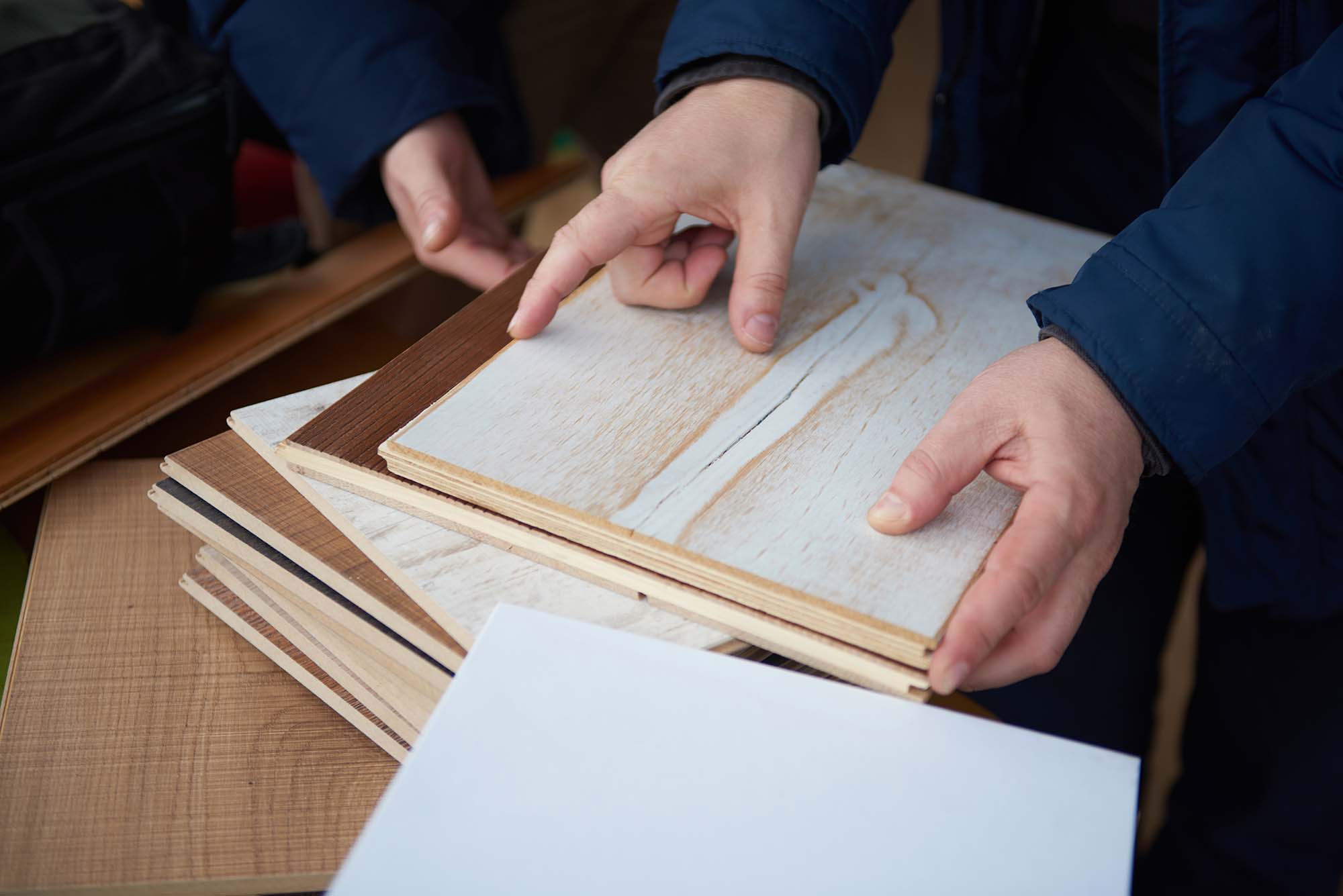
This article explains when installing LVP over hardwood is a practical shortcut and when it leads to failur

This article explains why wax, acrylic polish, and “rejuvenator” products can cause new hardwood finishes to peel or fisheye.
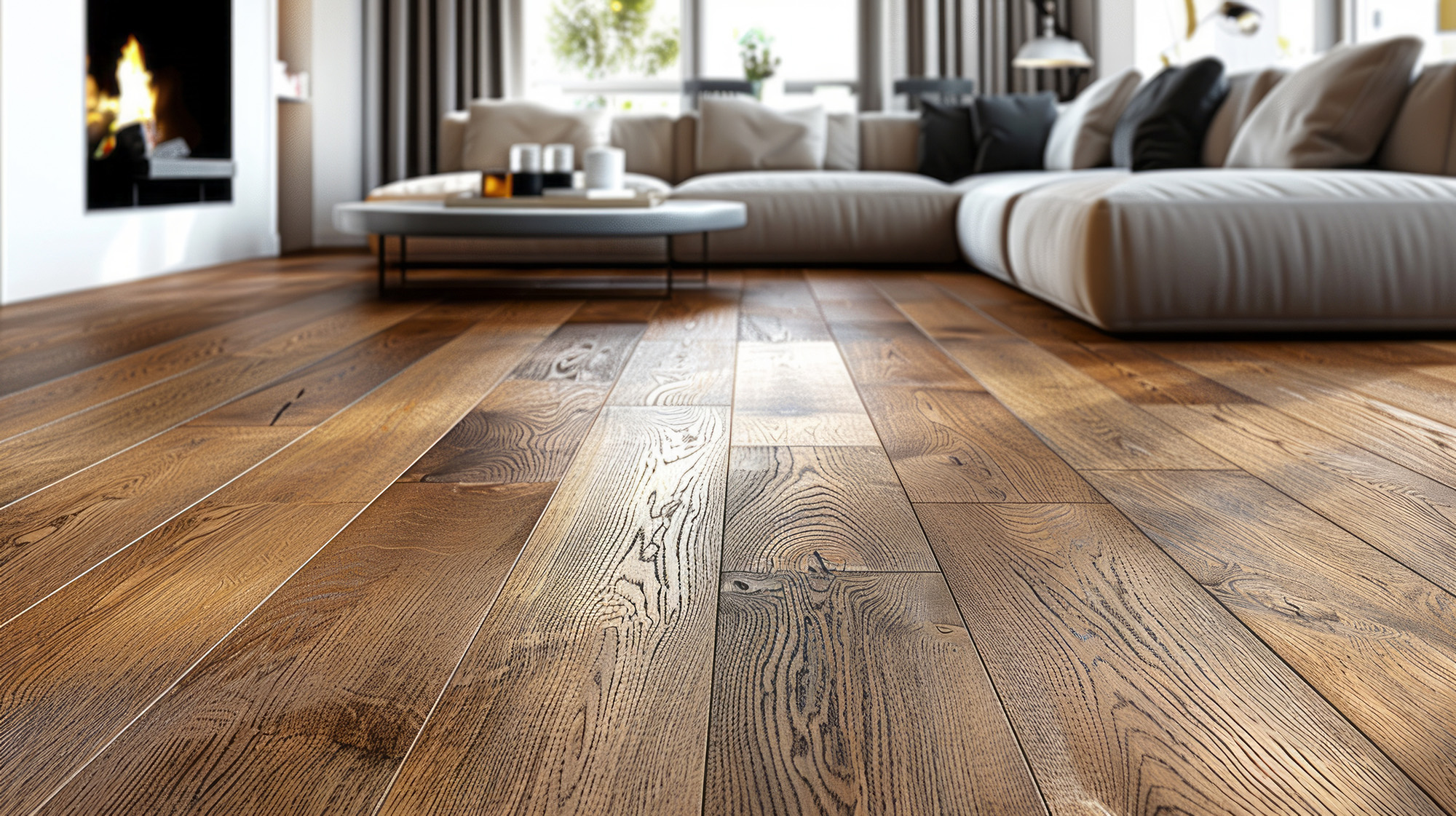
This article explains what “99% dust-free” hardwood refinishing truly involves, including equipment, containment, and sanding workflow.


