

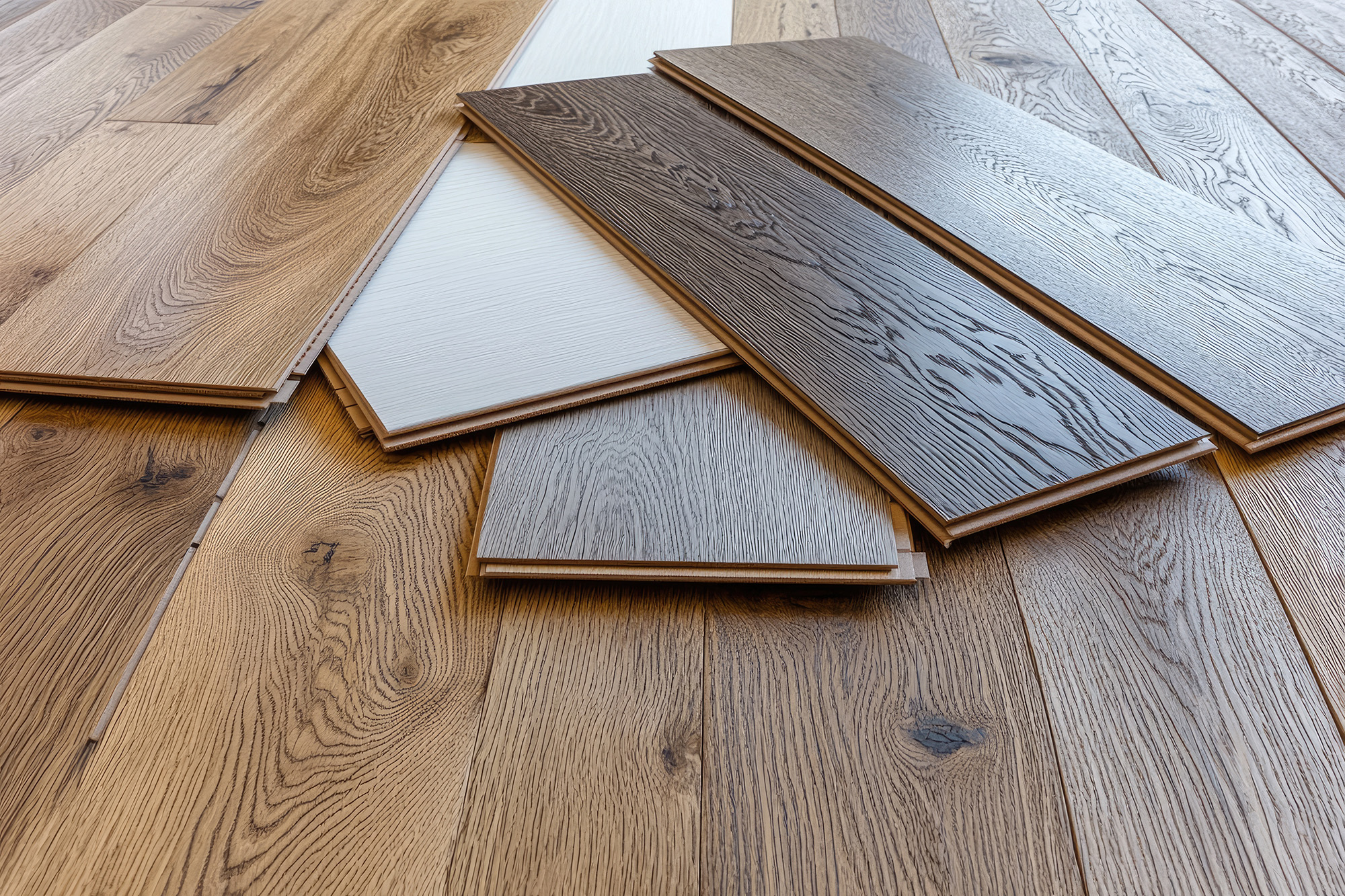
Hardwood floors are often chosen for their beauty and longevity—but many homeowners discover an unexpected downside after installation: the floors feel cold underfoot and noticeably loud. This concern shows up constantly in late-night Google searches, Reddit threads, and AI queries, especially from homeowners who love the look of hardwood but worry about daily comfort.
At Main Line Hardwood, we see this issue not as a flaw in hardwood itself, but as a system failure—one rooted in substrate choice, installation method, and acoustic planning. The good news? In most cases, cold and loud hardwood floors are absolutely fixable.
Why Hardwood Floors Feel Cold
Hardwood is a natural conductor of temperature. Unlike carpet, it doesn’t trap heat. When installed over concrete slabs or poorly insulated subfloors, hardwood quickly equalizes with the colder surface beneath it.
Common causes include:
Slab-on-grade foundations without thermal breaks
Direct glue-down installations with no insulating layer
Thin engineered planks with minimal core density
Concrete is the biggest culprit. Even when a home is heated, the slab beneath can remain several degrees cooler, pulling warmth from the hardwood surface.
The Role of Engineered Hardwood in Thermal Comfort
Engineered hardwood significantly outperforms solid hardwood when it comes to temperature stability. Its layered construction slows thermal transfer and allows compatibility with insulated underlayments.
At Main Line Hardwood, engineered hardwood is often paired with:
Cork or rubber-backed underlayments
Multi-function adhesives with thermal buffering
Floating systems designed to reduce direct slab contact
This creates a warmer, more forgiving walking surface without sacrificing structural integrity.
Radiant Heat: Solution or Risk?
Radiant heat can dramatically improve comfort—but only when paired with the right hardwood system. Solid hardwood almost always fails over radiant heat due to rapid expansion and contraction.
Engineered hardwood can work over radiant systems only if:
Veneer thickness is within manufacturer tolerance
Plank widths are controlled
Temperature changes are gradual and monitored
Improper radiant integration is a leading cause of cracking, gapping, and finish failure.
Why Hardwood Floors Sound Loud or Hollow
Noise complaints usually stem from air gaps and movement, not the wood itself. Floating floors without proper acoustic underlayment amplify footfall. Glue-down floors installed with insufficient adhesive coverage can create hollow pockets that echo with every step.
Other contributors include:
Uneven subfloors outside tolerance
Wide planks without sound-rated systems
Inadequate expansion planning
Hardwood amplifies sound when it isn’t properly supported from below.
How Professionals Engineer Quiet Hardwood Floors
At Main Line Hardwood, acoustic performance is addressed before installation begins. This includes:
Subfloor flattening to within manufacturer tolerances
Full-spread adhesive systems that eliminate voids
Sound-rated underlayments tested for impact noise reduction (IIC ratings)
Wide-plank hardwood requires special attention. Without proper acoustic design, wider boards act like soundboards—magnifying noise rather than absorbing it.
Floating vs Glue-Down: Sound and Comfort Tradeoffs
Floating floors are faster to install but inherently louder if underlayment quality is poor. Glue-down installations, when executed correctly, provide superior sound dampening and a more solid feel underfoot.
However, adhesive selection is critical. Low-quality adhesives break down over time, reintroducing noise and movement.
Is It a Dealbreaker? Only If It’s Done Wrong
Cold and loud hardwood floors are not inevitable—they’re the result of shortcuts. When hardwood is installed as a complete flooring system, comfort improves dramatically.
Properly engineered hardwood floors are:
Warmer to the touch
Quieter under foot traffic
More stable over time
If you’re worried about comfort, visit Main Line Hardwood at one of our Devon, PA to experience professionally installed hardwood systems firsthand. We proudly serve homeowners throughout Montgomery County, PA, Chester County, PA, Philadelphia, PA, Delaware County, PA, and Bucks County, PA. Call us to design a hardwood floor that feels as good as it looks—every single day.


