
A Tighter Market Is Making Buyers More Selective
With inventory still constrained across Devon, Wayne, and the surrounding Main Line towns, buyers are not settling the way they might in a slower market. When a buyer is choosing between two similarly priced classic stone colonials, the one with intact original hardwood consistently wins the showing, even when every other feature is comparable. Agents working this corridor have started calling it out directly in listing conversations because it comes up so often.
That selectivity is not just about preference. In a market where well finished historic and renovated homes are drawing broad buyer interest, original hardwood has become shorthand for a home that has been maintained rather than one that is hiding deferred work behind fresh paint. Buyers touring multiple properties in a weekend are making fast judgments, and floors are one of the first things they notice walking through the door.
What Original Hardwood Signals to a Buyer
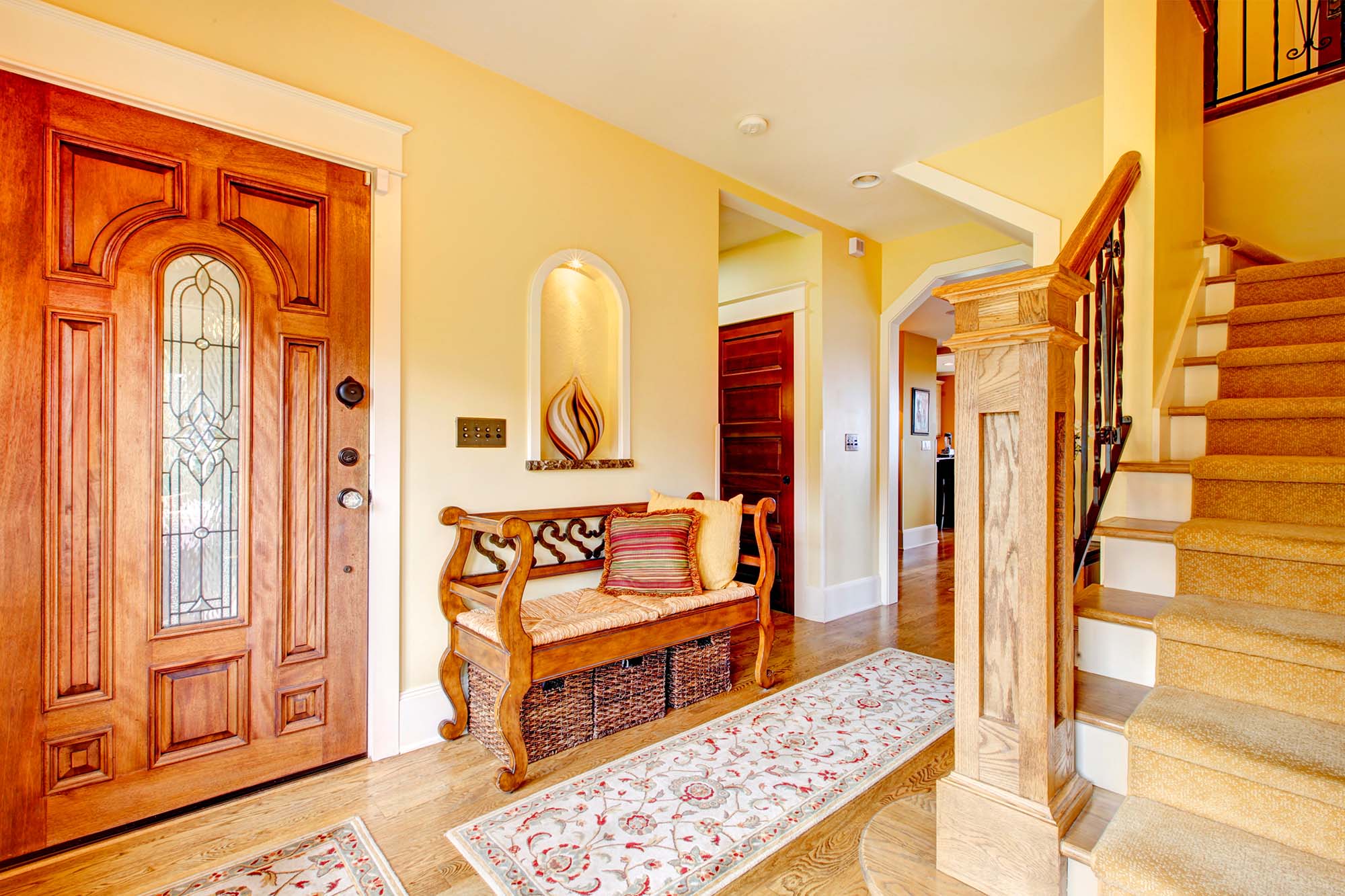
A well kept original floor tells a buyer something a renovation cannot fully replicate, which is that the home has been cared for consistently over decades rather than updated right before it went on the market. Old growth wood, the kind found in most pre war Main Line homes, has a density and grain character that new material struggles to match, and buyers who have toured enough homes start to notice the difference even if they cannot name it.
There is also a practical signal underneath the aesthetic one. A home with intact original hardwood usually means the subfloor and structure beneath it have held up over time, since damaged flooring is often the first visible sign of moisture or structural issues elsewhere in a house. Buyers and their inspectors both read original hardwood as a quiet vote of confidence in the rest of the home.
Why Replacement Floors Read Differently to Buyers
Not all hardwood reads the same to a discerning buyer. A newly installed floor in an otherwise untouched historic home can actually raise questions, since buyers increasingly wonder what prompted a full replacement rather than a refinish. If the original floor was in bad enough shape to require full replacement, buyers want to know why, and what else in the home might share that history.
This is part of why refinishing, not replacing, has become the default recommendation for sellers with original hardwood still in place. A refinished original floor preserves the story of the house while still delivering the clean, move in ready look buyers are shopping for. Replacement is sometimes necessary, but it should be a last resort rather than a default choice on a home with salvageable original material.
What Sellers Should Do Before Buyers Ever See the Floor
If a home still has its original hardwood, the highest return move is almost always to refinish rather than replace, and to do it early enough in the selling process that it does not feel rushed. A professional assessment can determine whether a floor needs a full sand and refinish or simply a recoat, which changes both the cost and the timeline significantly.
Sellers should also resist the temptation to cover damaged original hardwood with rugs or furniture placement during showings. Buyers in this market are looking underneath staging, and an obviously hidden problem tends to read worse than an honestly disclosed one that has already been addressed. A short consultation before listing photos are scheduled saves most of this guesswork.
What This Means for Renovators, Not Just Sellers
Homeowners who are not selling anytime soon should still take this trend seriously, because it affects long term value even outside an active sale. Protecting original hardwood during any renovation, from kitchen work to whole home additions, preserves a feature that is becoming harder to replicate as reclaimed and old growth material grows scarcer.
For homeowners considering a full replacement simply because a floor looks tired, a professional refinish assessment is worth getting first. In most cases the original material has more life left in it than homeowners assume, and preserving it protects both the character of the home and its long term resale position in a market that clearly rewards it.
If you are buying, selling, or maintaining a home anywhere across Montgomery County, PA, Chester County, PA, Philadelphia, PA, Delaware County, PA, and Bucks County, PA, our team can help you assess and refinish original hardwood the right way. Visit us at one of Devon, PA or contact us for a floor consultation. Explore our hardwood flooring services to see how we can help protect your home's original character.


