

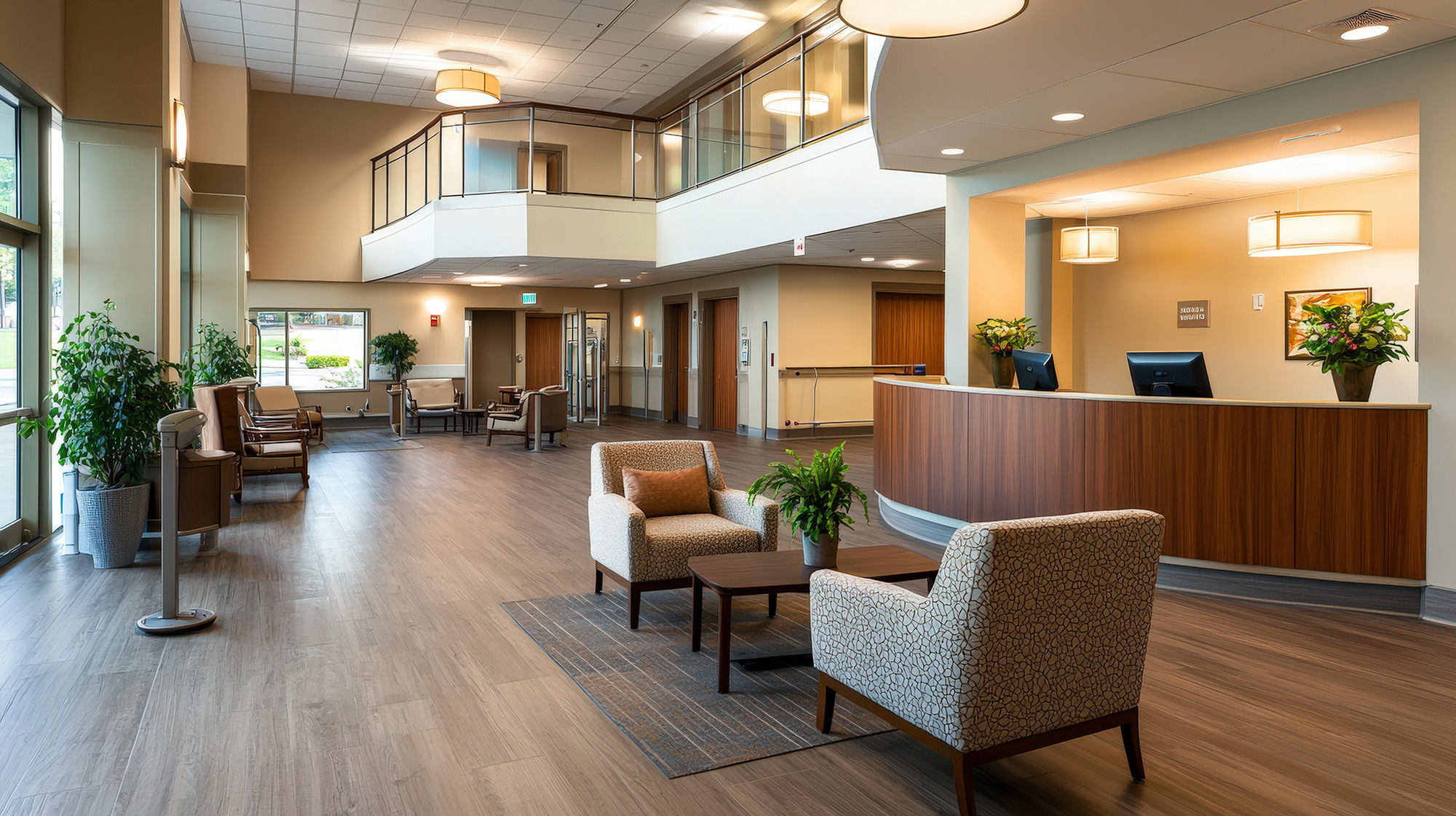
Wide-plank hardwood floors are everywhere—luxury renovations, modern farmhouses, editorial interiors. They photograph beautifully and promise a timeless, high-end look. But what most homeowners don’t realize is that wide-plank hardwood is far less forgiving than standard-width flooring.
At Main Line Hardwood, wide-plank installations are some of the most technical projects we take on—not because they’re trendy, but because they demand precision, planning, and restraint. This is what rarely shows up in Pinterest posts or showroom conversations.
Wider Planks = Greater Dimensional Stress
As plank width increases, so does the surface area exposed to moisture fluctuation. A 7–9 inch plank expands and contracts far more aggressively than a 3–5 inch plank.
This means:
Greater risk of cupping and crowning
More visible gaps during dry seasons
Increased stress on joints and fasteners
Wide-plank hardwood doesn’t “move more”—it moves more visibly.
Subfloor Flatness Becomes Non-Negotiable
Standard hardwood tolerates minor subfloor irregularities. Wide-plank hardwood does not.
Manufacturer tolerances often require subfloors to be flat within:
3/16” over 10 feet or tighter
Anything outside that range leads to:
Rocking planks
Hollow sounds
Long-term adhesive failure
At Main Line Hardwood, wide-plank installations almost always include subfloor correction, even in newer homes.
Why Wide Planks Demand Engineered Construction
Solid hardwood wide planks are structurally risky in most modern homes. Their width amplifies seasonal movement, especially in climate-variable regions.
Engineered hardwood performs better because:
Cross-layered cores limit expansion
Stress is distributed across multiple layers
Wider boards remain dimensionally stable
However, not all engineered cores are equal. Low-grade plywood cores or thin veneers fail faster under wide-plank stress.
Finish Matters More Than Species
Wide planks make surface flaws more visible. Glossy finishes magnify movement, light distortion, and micro-gapping.
This is why matte, wire-brushed, or oil-look finishes dominate wide-plank installations. They:
Visually soften plank movement
Disguise seasonal gaps
Age more gracefully over time
At Main Line Hardwood, finish selection is treated as a structural decision—not just an aesthetic one.
Length, Not Just Width, Changes Everything
Long, wide planks create fewer seams—which looks luxurious—but it also reduces natural expansion breaks. This increases the risk of stress concentration across the floor.
Random-length patterns with controlled maximum lengths are often safer than ultra-long boards, especially in open-concept homes.
Wide Plank ≠ “Install Anywhere”
Wide-plank hardwood is particularly sensitive in:
Kitchens and mudrooms
South-facing rooms with intense sunlight
Homes without humidity control
Without environmental stability, wide planks punish shortcuts.
The Truth About Wide-Plank Expectations
Wide-plank hardwood is not a “set it and forget it” floor. It requires:
Humidity management
Proper acclimation
Professional installation systems
When done correctly, it’s breathtaking. When done casually, it becomes the most expensive regret in the house.
If you’re considering wide-plank hardwood, visit Main Line Hardwood at our Devon, PA. We serve homeowners across Montgomery County, PA, Chester County, PA, Philadelphia, PA, Delaware County, PA, and Bucks County, PA and specialize in wide-plank systems engineered for real homes—not just photos. Call us or schedule a consultation to do it right the first time.


