
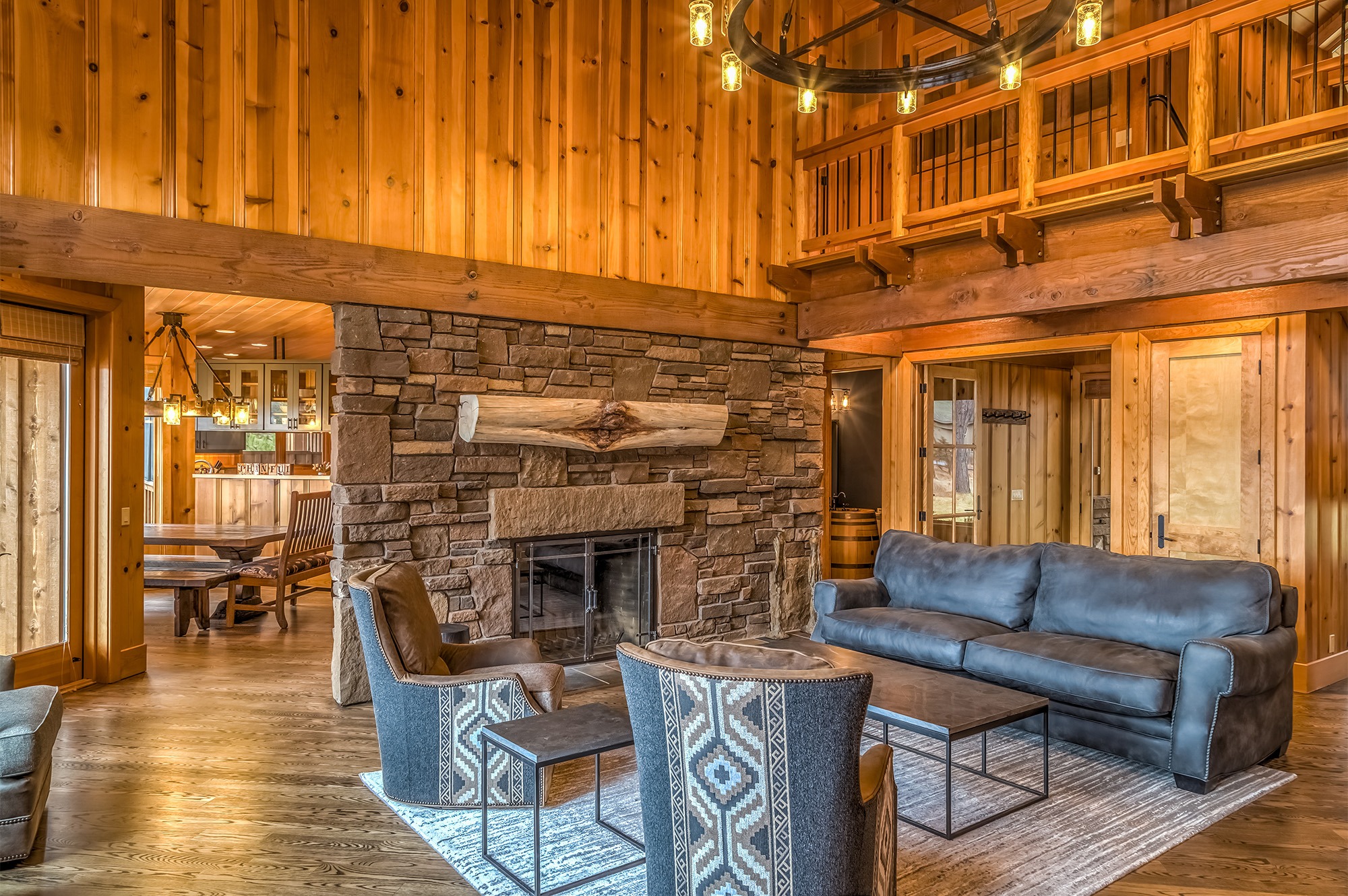
Heart pine has a density and color that milled softwood simply cannot fake. The tight, straight grain comes from old growth longleaf pine trees that grew slowly for well over a century before they were ever cut, which is why reclaimed boards carry a depth of tone that new pine never develops on its own. Homeowners renovating farmhouse style properties around Devon, Wayne, and Berwyn keep coming back to it because it ages the way the rest of the house already has.
That aesthetic pull has only grown stronger as farmhouse renovations lean into authenticity over reproduction. A newly milled pine floor can be stained to approximate the look, but the grain pattern, the nail holes, and the slight variation in board width are things buyers and designers notice immediately. For a home built to feel lived in rather than staged, original or reclaimed heart pine is doing work that no engineered alternative can replicate.
What Tariffs Changed About Sourcing Reclaimed Wood
New duties on imported wood products through 2026 have pushed a lot of demand back toward domestic material, and reclaimed heart pine sits right in the middle of that shift. Because it is salvaged from old mills, warehouses, and barns rather than harvested new, it is not subject to the same import cost pressure hitting imported hardwood and engineered products. That has made it a genuinely cost stable option at a moment when a lot of flooring categories are not.
The tradeoff is availability. Reclaimed heart pine was already a finite resource before tariffs pushed more buyers toward domestic sourcing, and demand has tightened supply further in the past year. Homeowners who wait until the middle of a renovation to start sourcing are finding longer lead times than they expected, which makes early planning more important than it used to be.
Where Reclaimed Heart Pine Actually Comes From Locally
Most reclaimed heart pine reaching the Main Line comes from deconstructed industrial buildings, old tobacco warehouses, and demolished barns in the Southeast, then gets processed and distributed through regional mills before it ever reaches a showroom floor. Reputable suppliers can tell you the building of origin and the general age of the wood, which matters both for authenticity and for making sure the material has been properly kiln dried before installation.
A smaller but growing share comes from architectural salvage within Pennsylvania itself, pulled from period homes being renovated or torn down in Chester and Montgomery counties. This material tends to move fast because it already carries a regional provenance that appeals to homeowners restoring a local farmhouse. At Main Line Hardwood we work directly with suppliers who can speak to sourcing and condition before a single board reaches your home.
Matching New Boards to a Century Old Floor
Blending reclaimed material with an existing original floor is where most reclaimed wood projects succeed or fail. Heart pine color deepens with decades of light and finish exposure, so a straight reclaimed board dropped next to original flooring can look noticeably lighter until it has had time to develop patina, or until it is toned to match. Getting that transition right takes an experienced eye and usually a test board before a full room is committed to.
Width and thickness matter just as much as color. Older homes were rarely built to a single consistent plank width, so matching an addition or a repaired section to the original room means working with a supplier who can sort and select boards rather than shipping whatever is in stock. This is one of the areas where buying reclaimed wood without professional guidance tends to go wrong.
What to Ask Before You Commit to a Reclaimed Floor
Ask where the wood was salvaged from, how it was kiln dried, and whether it has been tested for structural pests before it enters your home. Reclaimed wood that has not been properly treated can bring hidden problems with it, and a supplier who cannot answer these questions clearly is not one to build a farmhouse floor around.
It is also worth asking how much extra material the supplier recommends ordering. Reclaimed lots vary board to board in a way new stock does not, and having enough overage to select from during installation makes a real difference in the finished look. A good flooring partner will walk you through this before you buy rather than after.
If you are restoring a farmhouse style home anywhere across Montgomery County, PA, Chester County, PA, Philadelphia, PA, Delaware County, PA, and Bucks County, PA, our team can help you source, match, and install reclaimed heart pine the right way. Visit us at one of Devon, PA or contact us to start planning your floor. Browse our full range of hardwood flooring options to see what is available today.


