

What the Refinishing Timeline Actually Looks Like
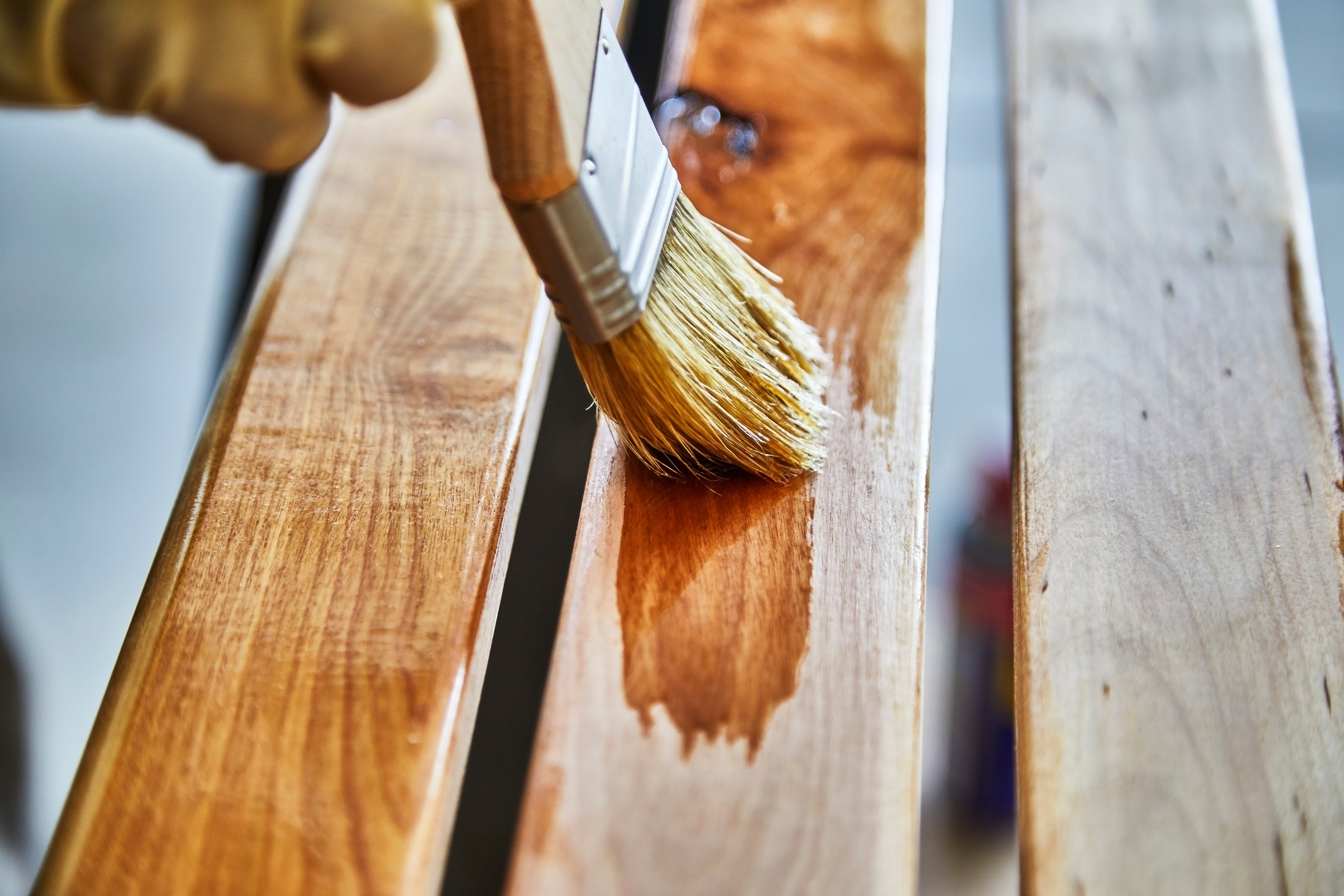
A typical whole home refinish takes several days from start to finish once sanding, staining, and multiple coats of finish are all factored in. The sanding phase is the loudest and dustiest part of the process, while the staining and finishing stages that follow are quieter but require the floor to sit undisturbed for set periods of time. Knowing this timeline in advance helps homeowners plan which rooms will be usable on which days.
Drying and curing time between coats is where a lot of the total project length comes from, not the active work itself. Each coat needs time to dry before the next one goes on, and the final coat needs additional curing time before the floor can safely handle furniture and regular foot traffic again. Rushing this stage by moving furniture back too soon can leave marks in a finish that has not fully hardened yet.
Managing Access to Refinished Rooms
Once a room's floor is being sanded or coated, that room is off limits until the relevant stage is complete, which means planning alternate routes through the house if the room sits along a main hallway or entryway. Homeowners with multi-room projects often coordinate with their contractor to refinish rooms in a sequence that keeps at least one path through the house open at all times. This is worth discussing before work begins rather than figuring it out mid project.
Pets and small children need extra consideration during this phase, both for their safety around equipment and because paws or feet can leave marks in finish that has not fully cured. Many homeowners choose to board pets or arrange for them to stay elsewhere during the sanding and initial coating days, then bring them back once the floor has had adequate time to harden.
Dust Containment and Air Quality
Dust is one of the biggest concerns homeowners have about staying home during a refinish, and it is a legitimate one during the sanding phase specifically. Dustless sanding systems, which use vacuum attachments to capture the majority of dust as it is generated, have made this far more manageable than older sanding methods, though some fine dust in the surrounding area is still normal. Sealing off adjacent rooms with plastic sheeting during sanding is a common way to limit dust migration into unaffected parts of the home.
Ventilation matters throughout the finishing stages as well, since curing polyurethane can produce a noticeable odor, particularly with oil based finishes. Water based finishes tend to have a milder smell and shorter offgassing period, which is worth discussing with your contractor if odor sensitivity is a concern for anyone in the household. Keeping windows open and using fans where possible during the finishing days helps clear the air faster.
Setting Up a Temporary Living Arrangement
For a single room or two being refinished, most households can continue living in the home with minimal disruption by simply avoiding the rooms in progress. For whole home projects, some families choose to temporarily relocate for the most disruptive days, particularly if there are young children, pets with mobility needs, or household members sensitive to dust and odor. Neither approach is wrong, and the right choice depends on the scope of the project and your household's specific needs.
Setting up a temporary living space in an unaffected part of the home, such as moving a couch and a few essentials into a room that is not being worked on, is a practical middle ground many homeowners use. This keeps daily routines mostly intact while still respecting the areas that need to stay undisturbed during drying and curing.
Planning Ahead With Your Contractor
The households that navigate this process most smoothly are the ones who talk through the full timeline with their contractor before work begins, not after. Ask specifically about which days will involve sanding versus finishing, how long each room needs to stay closed off, and when it will actually be safe to move furniture back in. A contractor who walks you through this clearly at the start makes the entire experience far more predictable.
If you are planning a hardwood refinish and want a clear, honest timeline for what your household should expect, our team is ready to walk you through it anywhere across Montgomery County, PA, Chester County, PA, Philadelphia, PA, Delaware County, PA, and Bucks County, PA. Visit us at one of Devon, PA or contact us to schedule a consultation. Learn more about our hardwood refinishing services before your project begins.


