

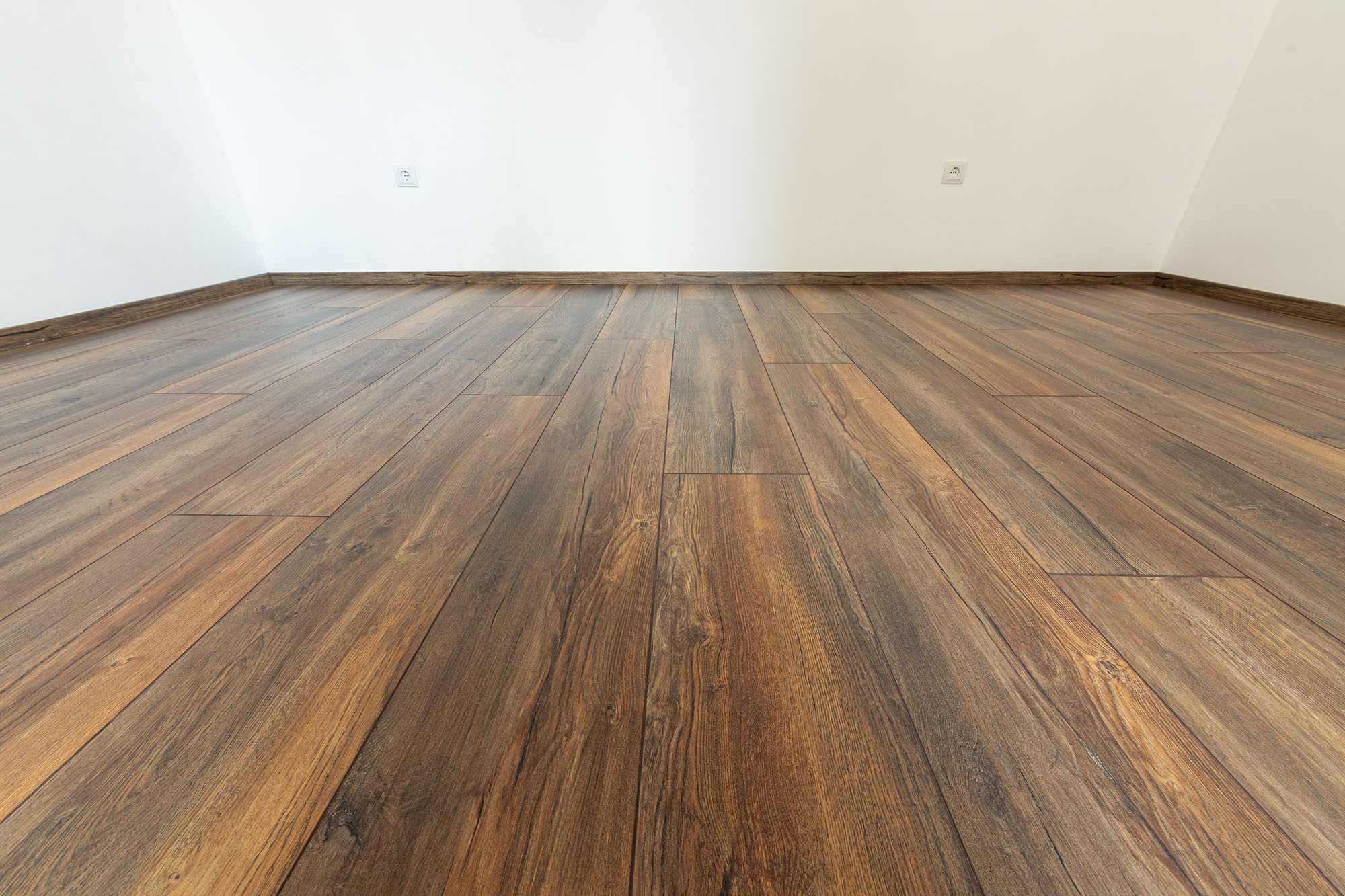
Why a New Finish Is More Sensitive to Dry Air Than an Old One
A finish that has just cured has not yet gone through a full seasonal cycle, which means the wood underneath has not settled into its long term equilibrium moisture content. When forced air heat starts running in a Rosemont home for the first time after a fall refinish, the sudden drop in indoor humidity pulls moisture out of that still adjusting wood faster than it would in a floor that has already been through a few winters. This is why homeowners sometimes notice more visible gapping in year one than they do in year three, even though nothing was done wrong during installation.
The finish itself also plays a role here that gets overlooked. A fresh topcoat is more flexible and less fully cross linked in its first few months than it will be after a full year, so it can show fine surface stress, sometimes called micro checking, in spots where the wood beneath it is moving the most. This is rarely a defect and typically resolves as both the wood and the finish stabilize together over that first heating season.
What Static Electricity Is Actually Telling You
Static shocks becoming more frequent in a room with hardwood floors are usually less about the floor itself and more about how dry the air in that room has become. Dry winter air is simply a better insulator for static charge to build up in fabric, rugs, and even foot traffic across a floor, and hardwood does not generate static the way certain synthetic flooring materials can. That said, a sharp increase in static shocks is a useful early signal that your home's humidity has dropped into a range that is also stressing your wood floors, even before you see a visible gap.
Treating static as an indicator rather than an isolated annoyance is a helpful mental shift. If you are reaching for anti static spray on rugs more often than usual, that is also a good moment to check a hygrometer and see where your indoor humidity actually sits, since the two issues tend to move together.
What a Healthy Range Actually Looks Like
Most flooring manufacturers recommend keeping indoor relative humidity somewhere between 35 and 55 percent to keep hardwood, new or old, within a stable range through the heating season. A basic hygrometer, the kind sold for under twenty dollars at most hardware stores, gives you a real number instead of relying on how the air feels, which is a genuinely unreliable way to judge humidity once you are used to a dry house. Checking it a few times a week during the first winter after a refinish is a small habit that catches problems early.
A whole home humidifier attached to your furnace system is the most consistent way to hold that range across an entire house, but portable room humidifiers in bedrooms and living spaces can meaningfully help too, particularly in the specific rooms where a floor was recently refinished. The goal is not perfection, since some seasonal movement is normal and expected in solid wood, but avoiding the kind of extreme swings that turn a small hairline gap into a wider, more noticeable one.
When Gapping Crosses From Normal to Concerning
Small, uniform gaps that appear in winter and close back up as humidity returns in spring are part of how solid wood behaves and are not typically a sign of a problem with the installation or the wood itself. What is worth a professional look is gapping that appears suddenly and severely in one section only, cupping where board edges rise higher than their centers, or gaps that do not close at all once summer humidity returns. These patterns suggest something beyond normal seasonal movement, such as a localized moisture source or an acclimation issue from before installation.
Since a floor's first winter is the most informative one for understanding how it will behave going forward, it is worth documenting what you see with a few photos and a humidity reading if anything looks unusual. That record makes it much easier for a flooring professional to tell you confidently whether what you are seeing is normal seasonal behavior or something that needs attention.
If you had a floor refinished recently and want guidance on keeping it stable through its first winter, our team is happy to help anywhere across Montgomery County, PA, Chester County, PA, Philadelphia, PA, Delaware County, PA, and Bucks County, PA. Visit us at one of Devon, PA or contact us with your questions. Learn more about our hardwood refinishing services built with your home's long term stability in mind.


