

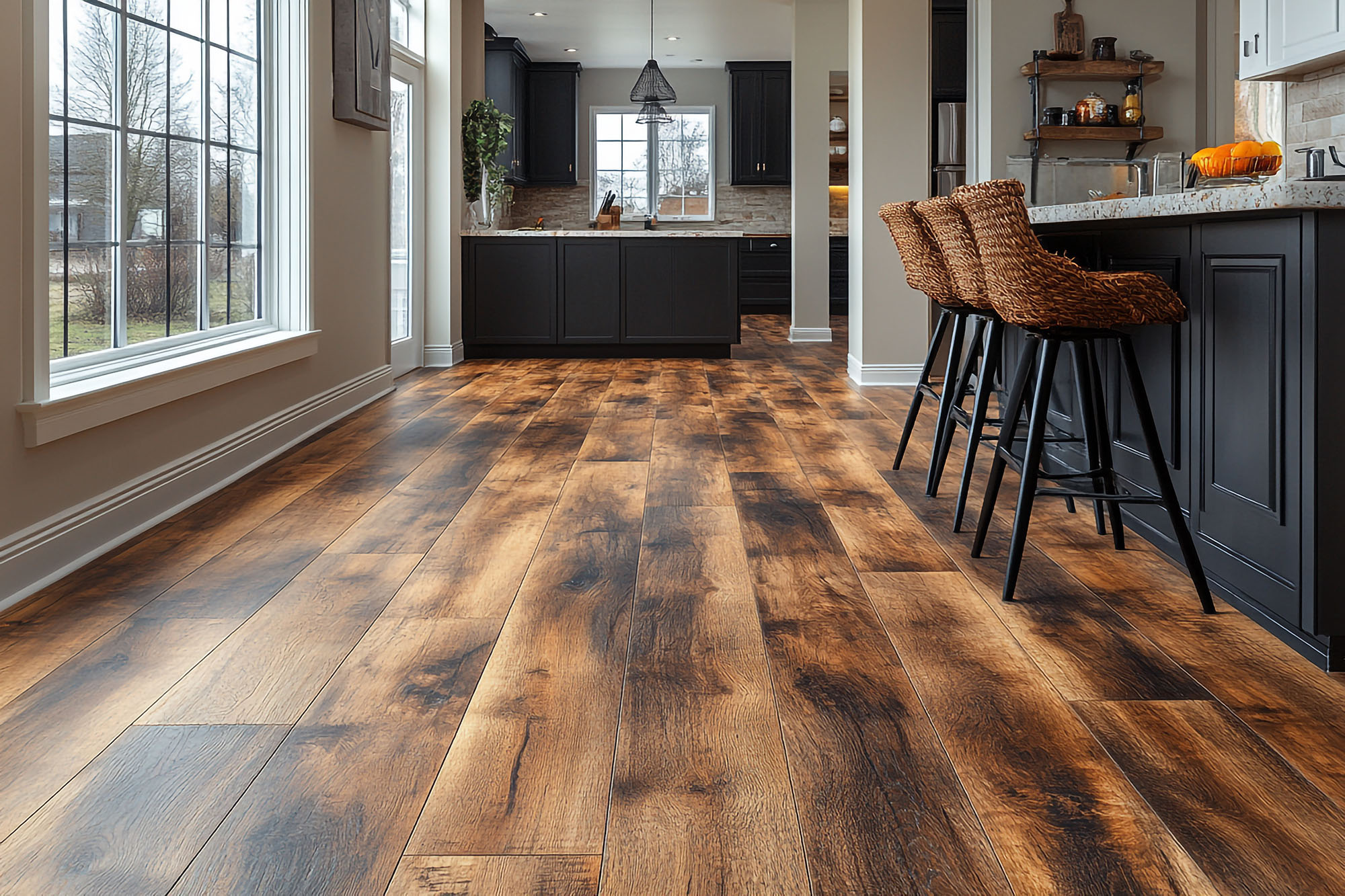
Dustless hardwood refinishing is a major improvement over old-school sanding, but the name can create unrealistic expectations. It does not mean there will be zero dust anywhere in the home. It means professional sanding equipment is connected to a vacuum containment system that captures most sanding dust at the source.
For homeowners who are refinishing floors while living in the house, this matters. Less airborne dust means a cleaner process, easier cleanup, and less disruption. But the technical details are important because dust control, odor control, finish curing, and household protection are different parts of the project.
What dustless sanding is designed to capture
Dustless systems are designed to capture wood dust created during sanding. As the sanding machine removes old finish, stain, and a thin layer of wood, the vacuum system pulls much of that dust into a containment unit instead of letting it spread freely through the room.
This is especially helpful in homes with open floor plans, detailed trim, built-ins, closets, or adjoining rooms. Fine sanding dust can travel farther than people expect. A good dust containment setup reduces that spread and makes the project cleaner from start to finish.
What dustless refinishing does not eliminate
Dustless does not mean the home stays untouched. Some dust can still appear around edges, corners, stairs, vents, doorways, and areas where hand sanding or detail sanding is required. No sanding process can completely remove every particle from the jobsite.
Dustless refinishing also does not eliminate finish odor, curing time, or the need to keep people and pets off the floors. The finish system, whether water-based or oil-based, will still have specific dry times, recoat windows, ventilation needs, and furniture return timelines.
Why prep still matters
The cleaner the project area is before sanding begins, the better the outcome. Furniture, rugs, window treatments, small objects, and loose household items should be removed from the work area. HVAC vents may need protection depending on the layout and scope of the work.
Prep also includes discussing access, room sequence, stain selection, finish sheen, and drying conditions. Humidity, temperature, airflow, and the type of finish can all affect how the floor cures. A technically clean sanding process still needs a controlled finishing environment.
What dustless refinishing can reveal
Once the old finish is removed, the true condition of the wood becomes clearer. Stains, patch repairs, water marks, pet damage, previous sanding marks, and board inconsistencies may become more visible during the process. Some can be improved. Others may remain part of the floor’s character.
This is why expectations should be discussed before the project starts. Refinishing can make a worn floor look dramatically better, but it does not turn every old board into new wood. The final result depends on species, age, condition, previous maintenance, and how deeply damage has penetrated.
Choosing finish after dustless sanding
After sanding, the finish choice determines much of the floor’s final look and performance. Matte and satin finishes are popular because they reduce glare and hide everyday wear better than high-gloss finishes. Water-based finishes can preserve a lighter, more natural tone, while oil-based finishes often add amber warmth.
The right finish should match the home’s style and the household’s use. A formal living room, busy kitchen, dog-friendly hallway, and rental unit may all need different performance priorities. The best refinishing plan balances appearance, durability, maintenance, and realistic expectations.
Dustless hardwood refinishing is cleaner, more controlled, and far less disruptive than traditional sanding, but it should still be planned properly. Main Line Hardwood can walk you through sanding, stain, finish, timing, and household prep before work begins.
Visit Devon, PA to review hardwood options and speak with a flooring professional about your project. Main Line Hardwood serves Montgomery County, PA, Chester County, PA, Philadelphia, PA, Delaware County, PA, and Bucks County, PA, and if you are ready to restore your floors with a cleaner refinishing process, contact us today.


